
Kopia bezpieczeństwa firmy — Veeam, Veritas, Rubrik z immutable backup i DR
Kopia bezpieczeństwa nie jest plikiem na zewnętrznym dysku — jest złożoną architekturą obejmującą serwery, maszyny wirtualne, bazy danych, stacje robocze, dane SaaS (Microsoft 365, Google Workspace, Salesforce), repozytorium offline odporne na ransomware, procedury testowania i udokumentowany plan disaster recovery. W 2024 roku 76% incydentów ransomware obejmowało celowe usunięcie lub szyfrowanie kopii zapasowych (raport Sophos State of Ransomware 2024) — tradycyjny backup do NAS z otwartym dostępem SMB jest pierwszym celem ataku.
Profesjonalna kopia bezpieczeństwa to architektura 3-2-1-1-0 (3 kopie, 2 nośniki, 1 off-site, 1 immutable, 0 błędów weryfikacji), regularne testowanie restore (typowo 60-70% organizacji nie testuje backup-ów więcej niż raz na rok — krytyczny gap), pełen plan business continuity zgodny z ISO 22301.
Virtline projektuje, wdraża i operuje rozwiązania kopii bezpieczeństwa dla firm od 5 do 5000+ hostów: Veeam Backup & Replication 12.2 jako dominujący enterprise standard, Veritas NetBackup 10.x dla dużych enterprise z heterogenicznym stackiem, Commvault Complete Data Protection, Rubrik Security Cloud dla cloud-first organizations, Cohesity DataProtect, Microsoft Azure Backup + System Center DPM, AWS Backup, restic i borgbackup dla open-source Linux deployments, Bacula Enterprise dla regulated environments.
Wdrażamy także immutable backup repositories (Veeam Hardened Repository, AWS S3 Object Lock, Azure Immutable Blob Storage), tape backup dla long-term retention (LTO-9, LTO-10), object storage (Wasabi, Backblaze B2, AWS S3 Glacier, Azure Archive). Wszystko zgodne z ISO/IEC 27001:2023 Annex A.8.13 (kopie zapasowe), ISO 22301:2019 (Business Continuity Management), NIS2 art. 21 ust. 2 lit. c, oraz DORA art. 11-12 dla podmiotów finansowych. Posiadamy certyfikat ISO 27001 wydany przez TÜV NORD — nr AC090 121/2469/6137/2026, ważny do 02.2029.

Co obejmuje kopia bezpieczeństwa firmy w Virtline
Pełen lifecycle backup-u i recovery — od projektu architektury 3-2-1-1-0 po regularne testy DR i monitoring success rate:
Backup serwerów fizycznych Windows / Linux — backup full server image (bare-metal restore capability) lub file-level backup zależnie od role: file servers / domain controllers / aplikacje line-of-business — full image dla bare-metal restore w razie hardware failure, db servers — application-aware backup (SQL Server VSS, Oracle RMAN, PostgreSQL pg_basebackup, MySQL XtraBackup) dla transactional consistency.
Veeam Agent for Microsoft Windows / Linux, Veritas NetBackup agents, Acronis Backup, Rubrik agents. Schedule: nightly full or incremental forever (forever incremental z synthetic full każdy weekend redukuje storage 60-80% vs traditional full+incremental). Bandwidth-friendly options: changed block tracking (CBT) — backup tylko zmienione bloki od ostatniego backupu, dedup + compression typowo 3-7x reduction.
Backup VM-level — VMware / Hyper-V / Proxmox / Nutanix — VM-level backup jest bardziej efficient niż agent-based dla wirtualizowanych workloads: Veeam Backup & Replication 12.2 jako dominujący enterprise standard dla vSphere + Hyper-V + Nutanix AHV + Proxmox VE (native support od 9/2024) + AWS EC2 + Azure VMs + GCP Compute Engine.
Snapshot VM przez hypervisor API (vCenter Storage API for Data Protection, Hyper-V CSV snapshot, Proxmox Storage API, Nutanix Mine API), application-aware quiescing (VSS for Windows guest, pre/post freeze scripts for Linux), backup directly z snapshot do backup repository. Instant VM Recovery — uruchom VM bezpośrednio z backup storage przed full restore (RTO < 5 min). SureBackup — automated test restore w izolowanej sandbox z application validation.
Backup baz danych — SQL Server / Oracle / PostgreSQL / MySQL — application-aware backup dla DB z transactional consistency: SQL Server VSS-based backup (Veeam SQL plugin, Microsoft DPM, Native SQL Backup do file/share) z log shipping dla point-in-time recovery (RPO < 15 min dla critical OLTP), Oracle RMAN dla industry-standard DB backup (incremental level 0/1, archive log backup co 15 min, RMAN catalog dla centralna konfiguracja, integration z Veeam Plug-in for Oracle RMAN dla dedup-friendly storage), PostgreSQL pg_basebackup + WAL archiving (continuous archiving + PITR), MySQL/MariaDB XtraBackup (Percona, hot backup bez locking).
Application-consistent VM-level backup dla VMs hosting databases z VSS quiescing — pewny minimum, ale RPO ograniczone do backup schedule (typowo 4-24h).
Backup stacji roboczych — laptopy zdalne i biuro — coraz częściej krytyczny — pracownicy zdalni, hybrid work, sensitive data lokalnie na laptopach.
Veeam Agent for Windows / Linux / macOS (cloud lub on-prem repository), Microsoft Defender for Business + OneDrive Known Folder Move (Desktop, Documents, Pictures sync do OneDrive — 1 TB/użytkownik w Microsoft 365 Business Standard), Datto File Protection, Carbonite, CrashPlan Pro for SMB. Architekturalnie: cloud repository (Veeam Cloud Connect, AWS S3, Azure Blob) dla off-site bez wymogu VPN do firmy. Encryption end-to-end (klient encrypts przed upload), policy-driven (auto-backup specific folders, user nie może wyłączyć). Retention typowo 90 dni z deduplication.
Backup SaaS — Microsoft 365, Google Workspace, Salesforce — dane w SaaS NIE są automatically backed up przez vendora (model shared responsibility — vendor protect infrastructure, customer protect data).
Microsoft odpowiada za availability M365 ale nie protected dane przed accidental deletion (po 30 dniach z OneDrive recycle bin permanentnie removed) lub ransomware encryption synced files (Tenant-wide ransomware na OneDrive Files spreads do all sync clients). Veeam Backup for Microsoft 365 (najpopularniejszy — backup Exchange Online + SharePoint + OneDrive + Teams), Acronis Cyber Protect Cloud, Spanning Backup, Datto SaaS Protection, AvePoint Cloud Backup. Backup do separate storage (preferowane on-prem lub other cloud) dla isolated recovery. Salesforce backup: OwnBackup (now Own Company), Spanning for Salesforce. Slack backup: BackupBox, AdminBoss. Często overlooked area — wymagana NIS2 i ISO 27001 jako część scope SZBI.
Immutable backup — ransomware protection — najważniejszy element protection przeciw modern ransomware (2024: 76% attacks specifically target backups per Sophos).
Immutable backup oznacza storage gdzie even Administrator nie może delete / modify / encrypt backup files przez specified retention period. Implementations: 1) Veeam Hardened Repository — dedicated Linux server z chattr +i (immutable file attribute), root SSH disabled po setup, time-locked retention period (no admin can override). 2) AWS S3 Object Lock — Governance mode (compliance officer can override) lub Compliance mode (cannot be overridden by anyone for retention period). 3) Azure Immutable Blob Storage — time-based retention policy lub legal hold. 4) Object storage with immutable backend — Wasabi Immutability, Backblaze B2 Object Lock. 5) Tape backup — physically air-gapped, fundamentally immutable (offline media).
6) Specialized appliances — Cohesity DataLock, Rubrik Immutable Snapshots, Veeam DataLock. Critical: immutable copy MUST be one of the backups (not the only one). Recommendation: hot backup on-prem (Veeam Backup Repository) + immutable cold backup (Veeam Hardened Repository or S3 Object Lock) + 4-6 week tape archive.
Disaster Recovery — replikacja site-to-site + cloud DR — backup zapewnia data recovery, ale RTO 4-24h od last backup.
Disaster Recovery zapewnia near-zero downtime: VM replication (Veeam Backup & Replication, VMware Site Recovery Manager, Hyper-V Replica, Zerto, vSphere Replication) z RPO 5-15 minut. Cloud DR: VMware Cloud on AWS / Azure VMware Solution z VM replication on-prem → cloud, AWS Elastic Disaster Recovery (formerly CloudEndure), Azure Site Recovery, Veeam Backup for AWS / Azure dla cloud-native workloads. Active-passive lub active-active configurations zależnie od RTO/RPO requirements. Documented failover procedures (runbook step-by-step), regular DR drills (typowo quarterly tabletop + 1-2 real failover per year).
RTO/RPO targets per workload tier: Tier 1 mission-critical RTO < 1h RPO < 15 min, Tier 2 critical RTO 4-8h RPO < 4h, Tier 3 standard RTO 24h RPO 24h.
Backup testing — SureBackup, automated restore validation — backup który nie był testowany nie jest backupem.
Typowo 60-70% organizacji nie testuje backup-ów regularly — wykrywają issues dopiero podczas real incident (corruption, encryption, missing files, missing applications). Test methodology: 1) Restore test weekly — random selection 5-10 backups, restore do izolowanego environment, validate file integrity (checksum comparison), application boot validation. 2) SureBackup (Veeam) — automated test restore w izolowanej sandbox z application validation (boot VM, run pre-configured tests like SQL Server connect, IIS website check, Active Directory replication test, custom scripts). 3) Quarterly DR tabletop — simulated failover scenario, walk-through procedures, identify gaps.
4) Annual real DR test — full failover do DR site, run production workloads on DR for 2-7 days, failback. Documentation: każdy test result documented (success/failure, time-to-restore, issues encountered) — required dla ISO 27001 surveillance audit.
Retention policy + legal hold — retention zgodny z business + regulatory requirements: typowo daily 30 dni (operational recovery), weekly 12 tygodni, monthly 12 miesięcy, yearly 7 lat (financial records — typowo wymaga 5-7 lat per polskie przepisy księgowe), indefinite for legal hold (litigation, regulatory investigation).
Tiered storage dla cost optimization: hot tier (fast SSD/HDD, < 30 dni), warm tier (deduplicated storage, 30-180 dni), cold tier (S3 Glacier, Azure Archive, tape — > 180 dni, low cost, high retrieval latency). GDPR compliance — right to erasure może wymagać selective deletion z backup (challenge — most backup tools don’t support per-record delete), workarounds: short retention dla non-essential data, encrypted backup z key destruction. Legal hold workflow — IT manager freezing specific backups z formal authorization (HR / Legal / Compliance approval).
Monitoring + reporting — success rate, capacity trends, RPO compliance — central monitoring all backup jobs: success/failure rate per job per host (target > 99%), backup duration trends (early warning capacity / performance issues), storage utilization (capacity planning), retention compliance (zgodność z policy), RPO compliance (last successful backup per VM vs RPO target).
Veeam ONE jako enterprise monitoring solution, Veritas APTARE, Cohesity Helios. Dashboard dla IT lead (executive metrics), per-job dashboard dla operator (drill-down debugging). Alert escalation: P1 = production database backup failure, P2 = > 5% jobs failed, P3 = capacity > 80%, P4 = single job > 50% slower than baseline. Monthly reports dla zarządu (success rate trend, capacity, costs, top incidents). Annually — capacity planning review (czy current infrastructure sufficient dla next 12 months).
Korzyści z profesjonalnej kopii bezpieczeństwa
Backup + DR + business continuity to nie cost center — to insurance policy z mierzalnym ROI dla incident response, compliance i continuity:
Ochrona przed ransomware — recovery bez płacenia okupu — 2024 raport Sophos State of Ransomware: 75% organizacji dotkniętych ransomware miało dane przywrócone z backup, 28% płaciło okup (median 4 mln USD), 32% miało both (płaciło + odzyskiwali z backup z różnych powodów — incomplete backup, partial encryption).
Organizacje z proper immutable backup recover w 5-10 dni, paying recovery typowo 14-21 dni + risk decryption tool nie działa correctly. Realne: dobrze zaprojektowany 3-2-1-1-0 architecture daje 99% pewność recovery z backup w razie ransomware (immutable copy jest untouchable nawet z Domain Admin credentials).
NIS2 art. 21 ust. 2 lit. c — ciągłość działania — dyrektywa NIS2 wprost wymaga strategii ciągłości działania, w tym backup + disaster recovery (art. 21 ust. 2 lit. c).
Audyt KSC NASK expecting evidence: dokumentowana polityka backup, regular test restore, documented DR runbook, business continuity plan. Bez sformalizowanego programu organizacja nie może wykazać due diligence w razie incident reporting (obowiązek 24h initial + 72h follow-up + 30 dni final report do CSIRT NASK). Penalty dla podmiotów kluczowych — do 10 mln EUR lub 2% global turnover (NIS2).
DORA art. 11-12 — ICT operational resilience dla podmiotów finansowych — DORA Reg. (EU) 2022/2554 dla banków, ubezpieczycieli, instytucji płatniczych, brokerów kryptowalut: art. 11 (incident handling), art.
12 (ICT business continuity policy), art. 13 (learning and evolving — incident review), art. 24-27 (digital operational resilience testing including TLPT). Wymagania: documented BCP z RTO/RPO per critical function (typowo RTO < 2h dla payment systems, < 4h dla trading), tested annually, immutable backup, geographic redundancy (no single point of failure), third-party DR provider dla cloud (DORA art. 28-30 third-party risk register obligatory). Bez DORA compliance — penalty do 10 mln EUR lub 1% turnover, KNF może revoke license.
ISO 27001:2023 Annex A.8.13 + ISO 22301 BCM — ISO/IEC 27001:2023 Annex A.8.13 (Information backup) wymaga: documented backup policy, regular tested backup, off-site copy, retention zgodny z business requirements.
ISO 22301:2019 Business Continuity Management Systems — kompletny framework BCM: Business Impact Analysis (BIA), Risk Assessment, Business Continuity Strategy, BCP development, exercising and testing, performance evaluation, improvement. Wielu klientów posiada oba certyfikaty (ISO 27001 + ISO 22301) dla regulowanych branż. Nasz design backup + DR mapuje na konkretne kontrole obu standardów — gotowe artefakty dla audytora certyfikującego.
RTO 1-4h + RPO 15min-1h dla critical workloads — properly designed backup + DR architecture daje: RTO Tier 1 1-4h (recovery przez Veeam Instant VM Recovery uruchamiająca VM z backup storage przed full restore, lub failover do replicated VM at DR site), RTO Tier 2 8-24h (standard restore z backup), RTO Tier 3 24-72h (deep restore for less critical workloads).
RPO Tier 1 15-60 min (frequent backup + log shipping for DB), RPO Tier 2 4-12h (regular backup), RPO Tier 3 24h (daily backup). Bez profesjonalnej architecture typowo RTO 1-7 dni (manual restore, missing application dependencies, untested procedures) + RPO 24-72h (infrequent backup, multiple failed jobs).
Audytowalność — pełen log każdej operacji backup/restore — Veeam audit logs: każdy job creation/modification/deletion, każdy restore activity z user, timestamp, source, destination, files restored, success/failure status, retention enforcement, immutable backup verification.
Centralizacja w SIEM (Microsoft Sentinel, Splunk, Wazuh) dla long-term retention (typowo 24-36 miesięcy zgodnie z NIS2 i ISO requirements). Forensic capability — w razie data breach investigation można zrekonstruować: kiedy konkretny plik był obecny w backup, kto dokonał restore (potencjalne insider threat detection), historical state przed compromise. Required dla ISO 27001 A.8.16 (Monitoring activities), NIS2 art. 21 ust. 2 lit. h.
Niższe stawki cyber insurance i lepsze pokrycie ransomware — ubezpieczyciele cyber (PZU, Warta, AIG, Beazley, Lloyd’s) wymagają w underwriting: documented backup policy < 12 miesięcy, regular test restore (typowo weekly), immutable backup (S3 Object Lock lub Veeam Hardened Repository), 3-2-1-1-0 architecture, documented DR plan, annual DR test.
Polisa wykluczy lub limit ransomware coverage dla firm bez tych kontroli (limit typowo 25-50% standard coverage). Z proper backup design: lower premiums 15-30%, higher coverage limits, lower deductibles, faster claim processing (insurance company widzi że firma może recovery sama → quick reimbursement minor losses).
GDPR compliance — right to erasure i data minimization — RODO art. 17 (right to erasure) wymaga selective deletion personal data on request.
Tradycyjny backup (full VM snapshot, file-system level) NIE wspiera per-record delete — workaround: short retention dla personal data backup (≤ 90 dni), encrypted backup z key destruction (deletion klucza = effective deletion danych), formal exemption per RODO art. 17(3)(b) dla legal obligation. Documented procedure for handling data subject requests, including backup retention period disclosure. Compliance evidence dla audytora UODO.
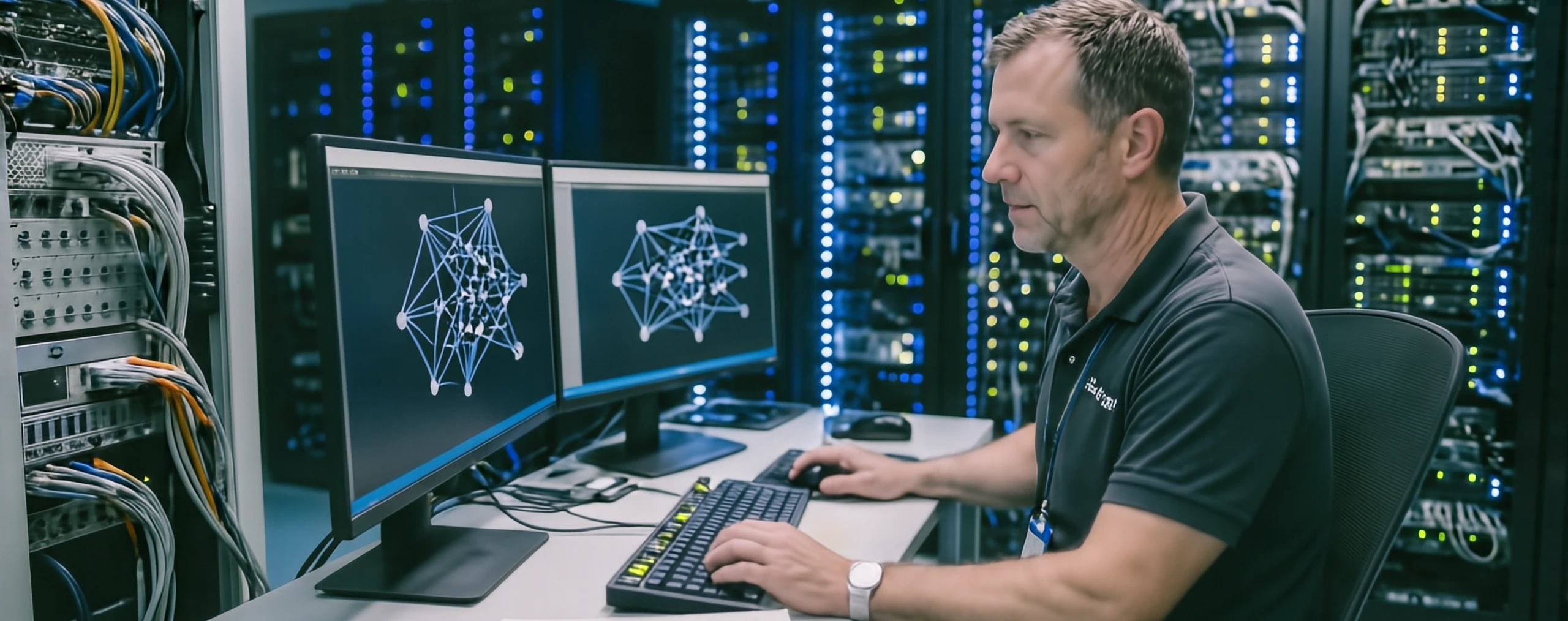
Modele backup-u — od lokalnego po cloud + immutable
Dobieramy architekturę pod RTO/RPO, scale, regulatory requirements i budżet:
Lokalny backup + tape archive — tradycyjny SMB — najtańszy baseline: backup do lokalnego NAS (Synology, Qnap, TrueNAS) lub dedicated backup server z DAS, weekly tape rotation (LTO-7/8/9) z storage w bezpiecznym off-site location (bank safe deposit box, dedykowane storage).
Veeam Backup & Replication Community Edition (free dla 10 instances), Restic/Borg dla Linux-centric. Cost: 15-50 tys. zł hardware (NAS + tape drive + tapes), 0-15 tys. zł/year software (free Veeam Community lub Standard 1-3 tys. zł/socket). Limitations: brak immutability (NAS dostępny z Domain Admin → ransomware can encrypt), tape recovery 24-48h, no DR site. Best dla: SMB 10-50 hostów z tight budget, niewysokimi RTO wymogami (24-72h acceptable).
3-2-1 z immutable repository — recommended baseline — modern recommended architecture dla SMB + mid-market: primary backup do fast on-prem repository (Veeam Backup Repository na dedicated Linux server z dużymi HDDs, 30-60 dni retention), secondary copy do immutable storage (Veeam Hardened Repository — dedicated Linux z chattr +i, OR S3 Object Lock w AWS/Wasabi/Backblaze B2), tertiary archive do tape lub cold cloud (S3 Glacier, Azure Archive).
Cost: 50-150 tys. zł setup + 15-40 tys. zł/year operations. Daje proper ransomware protection (immutable copy untouchable), reasonable RTO 4-8h, RPO 12-24h. Best dla: SMB 50-200 hostów i mid-market starting compliance journey.
3-2-1-1-0 z replication + DR site — enterprise architecture: 3 kopie backup (primary repo + secondary + archive), 2 different media types (disk + cloud/tape), 1 off-site copy (cloud lub second DC), 1 immutable copy (Hardened Repository + Object Lock), 0 errors w verification (SureBackup weekly testing).
Dodatkowo replication critical VMs do DR site (vSphere Replication / Veeam Replication / Zerto) z RPO < 15 min. DR site może być second DC, colocation, lub cloud (VMware Cloud on AWS, Azure VMware Solution, Veeam Cloud Connect). Cost: 200-600 tys. zł setup + 50-200 tys. zł/year. Daje RTO < 4h Tier 1, RPO < 1h Tier 1, full ransomware recovery capability. Best dla: mid-market regulated + enterprise.
Cloud-native backup — AWS Backup / Azure Backup — dla cloud-first organizations: AWS Backup (centralna konsola dla EC2 + EBS + RDS + DynamoDB + EFS + Storage Gateway + S3, vault lock dla immutability), Azure Backup (Recovery Services Vault dla Azure VMs + SQL Azure + Files, soft delete + immutable vault), Google Cloud Backup (managed backup dla Compute Engine + Cloud SQL).
Backup z cloud workloads do cloud storage (no on-prem dependency), pay-as-you-go (no upfront CapEx). Multi-region replication dla geographic redundancy. Cost: typowo 1-5% cloud infrastructure budget. Best dla: cloud-only organizations, regulatory wymogi data sovereignty (backup w same region as primary).
Backup-as-a-Service — fully managed — fully outsourced model: vendor provides infrastructure (backup software, storage, monitoring), klient subscribes per-VM lub per-GB.
Vendorzy: Veeam Backup-as-a-Service partners (Iland, Carbonite Cloud Backup, Synology C2), Datto Backup as a Service, Acronis Cyber Cloud, Microsoft Azure Backup (managed by Microsoft). Cost: 10-50 USD per VM per month dla cloud-managed, ~2-5 USD per laptop per month dla endpoint protection. Best dla: SMB bez własnego IT, mid-market chcący zero infrastructure overhead, organizations z compliance requirements geographic data residency (vendor offers in-country data centers).
Multi-cloud + immutable — high resilience dla regulated — dla high-stakes regulated (banking, healthcare, defense): primary backup w private cloud (on-prem Veeam), secondary w public cloud A (AWS S3 Object Lock w US East), tertiary w public cloud B (Azure Archive w Western Europe), tape archive w secure facility.
Eliminacja single point of failure (jeden cloud provider down → still 3 other copies available). Cost: 500 tys. – 5 mln zł/year (storage + bandwidth + management overhead). Compliance benefit: DORA art. 28-30 third-party risk requirements satisfied (multiple providers — no single vendor dependency). Best dla: KNF-supervised banks z DORA, large healthcare networks z HIPAA-equivalent local regulations.
Vendorzy backup-u — Veeam, Veritas, Rubrik, Commvault
Pracujemy z głównym przekrojem rynku backup — wybór vendor pod konkretne potrzeby, scale i ecosystem klienta:
Veeam Backup & Replication 12.2 — dominujący enterprise standard — Veeam (Insight Partners portfolio, ~6 mld USD revenue 2024) jako dominant backup vendor dla wirtualizacji (60-70% market share dla VMware/Hyper-V backup).
Najszersze wsparcie: VMware vSphere (od ESXi 5.5), Microsoft Hyper-V (od Server 2016), Nutanix AHV, AWS EC2 + RDS, Azure VMs + SQL, GCP Compute Engine, Proxmox VE (native support od 12.2 — 9/2024), Oracle (Linux/Solaris). Application-aware processing dla SQL Server, Exchange, Active Directory, Oracle, PostgreSQL, MySQL, SAP HANA, MongoDB. Veeam Hardened Repository (immutable Linux repo). Veeam Cloud Connect (managed off-site backup). SureBackup (automated test restore). Instant VM Recovery (< 5 min RTO). License: per-Socket (legacy) lub Veeam Universal License (VUL — preferred — 10 licensed instances per VUL pack). Cost: 500-1500 EUR/VUL pack/year.
Veritas NetBackup 10.x — enterprise heterogeneous — Veritas Technologies (post Symantec split-off, Carlyle Group ownership) — historyczny enterprise standard dla heterogenicznych environments.
NetBackup 10.x z support dla: VMware, Hyper-V, AHV, KVM, AIX, Solaris, IBM i (AS/400), HP-UX, mainframe z3/OS, all major databases (Oracle, SQL Server, DB2, Sybase, SAP HANA, MongoDB, Cassandra, etc.). Strong dla deduplication (MSDP — Media Server Deduplication Pool), tape integration (NDMP), legacy systems support. Architecture: NetBackup Master Server (central control), Media Servers (storage targets), Clients (backup agents). License: per-frontend TB lub capacity-based. Best dla: large enterprises z legacy systems (AIX, Solaris, mainframe), regulated industries (financial, government) z complex requirements.
Commvault Complete Data Protection (HyperScale X) — Commvault (NASDAQ: CVLT) jako platform z heavy focus na convergence backup + archive + analytics: HyperScale X (hyper-converged backup appliance — software-defined storage), Metallic SaaS dla cloud-native backup (Microsoft 365, Salesforce, endpoint), traditional Commvault Complete Data Protection dla on-prem.
Single agent dla all data types (file, VM, application, database), integration z major hypervisors + clouds + applications. Strong w DR orchestration (Commvault Live Sync dla VM replication). Comprehensive analytics dla compliance reporting. License: per-frontend TB lub Universal License. Best dla: large enterprises requiring convergence (backup + archive + e-discovery + DLP), regulated industries z complex retention requirements.
Rubrik Security Cloud — cloud-first immutable — Rubrik (NYSE: RBRK, IPO 2024) jako modern cloud-first backup platform z heavy focus na ransomware protection: immutable backups by default (Append-Only File System — AOFS architecture), ransomware investigation tools (Anomaly Detection, Threat Hunting), zero trust architecture (no admin can delete backups w retention period).
Single-pane management. SaaS-first management plane (control plane w cloud, data plane może być on-prem lub cloud). Strong dla cloud-native workloads (AWS, Azure, GCP). Wsparcie: VMware, Hyper-V, AHV, physical Windows/Linux, SQL Server, Oracle, NAS (NetApp, Dell EMC Isilon, Pure FlashBlade). License: per-frontend TB. Premium pricing. Best dla: enterprises chcące modern architecture (cloud-managed, immutable by default), security-focused organizations, post-incident recovery (Rubrik wybrany przez wielu klientów po ransomware incident).
Cohesity DataProtect (Helios management) — Cohesity jako hyperconverged backup platform competitor Rubrik: web-scale architecture (multi-node scale-out cluster), file services + object storage + backup combined (HCI dla data management), Helios SaaS management plane.
Heavy ML focus — Cohesity DataHawk (anomaly detection, threat scanning, classification). Wsparcie: VMware, Hyper-V, AHV, all major databases, NAS (with NDMP), object storage. SmartFiles dla file services tier, Backup dla backup tier, all on same cluster. License: capacity-based. Best dla: enterprises consolidating multiple data management functions na one platform, organizations chcące alternative dla traditional Veeam/NetBackup.
Microsoft Azure Backup + System Center DPM — Microsoft offerings: Azure Backup (cloud-managed backup dla Azure VMs, on-prem servers via Azure Backup Server / MARS Agent, SQL Server in Azure VM, SAP HANA in Azure VM, Azure Files, Azure Blob), System Center Data Protection Manager (DPM 2022 — on-prem backup dla Microsoft workloads, Hyper-V, SQL Server, Exchange, SharePoint), Microsoft Defender for Backup Storage.
Native Microsoft integration. Best dla: Microsoft-centric environments, hybrid cloud (on-prem + Azure), regulatory data residency w Azure regions (Germany, Switzerland, France z dedicated Azure regions).
Open-source — restic, borgbackup, Bacula, Duplicati — dla cost-sensitive lub Linux-centric environments: restic (Go-based, encryption by default, deduplication, snapshots, backup to local disk / SFTP / S3 / Azure / GCS / Backblaze B2 / Wasabi), borgbackup (Python-based, deduplication, encryption, append-only mode dla immutability), Bacula Community Edition (older enterprise-style architecture z Director + Storage Daemon + File Daemon), Duplicati (cross-platform, Windows/macOS/Linux), Kopia (modern Go-based z heavy deduplication).
Free, fully featured, dobre dla developers / Linux admins. Limitations: no commercial support (community forums only), wymagana ekspertyza techniczna dla deployment + tuning, less polished management UI vs commercial. Best dla: SMB Linux-centric, developers z own infrastructure, secondary backup layer dla diversification (no single vendor dependency).
Cloud immutable storage — AWS S3, Azure Immutable, Wasabi, Backblaze B2 — secondary tier dla immutable off-site backup: AWS S3 Object Lock (Governance lub Compliance mode — Compliance prevents even AWS root deletion for retention period, najsilniejsze gwarancje), Azure Immutable Blob Storage (time-based retention policy lub legal hold), Wasabi Hot Cloud Storage z Immutability feature (lower cost vs AWS — ~7 USD/TB/month vs ~23 USD/TB/month dla S3 Standard, but no egress fees — atrakcyjny dla heavy retrieval workloads), Backblaze B2 Cloud Storage z Object Lock (~5 USD/TB/month, lowest cost cloud option).
Backblaze i Wasabi specifically pozycjonują się as ransomware-protected backup target — wybór dla cost-sensitive but security-focused mid-market. Integration: Veeam + AWS S3 + Object Lock to standard combination dla immutable secondary copy.

Dla kogo profesjonalna kopia bezpieczeństwa — segmenty
Wymagania backup + DR różnią się dramatycznie między segmentami — od baseline retention SMB po DORA-grade z multi-cloud dla finansowych:
SMB (10-50 hostów) — baseline 3-2-1 + immutable — typowo firma 50-250 pracowników z 10-30 VMs (AD, file server, RDS, SQL, aplikacja LOB).
Architektura: Veeam Backup & Replication na dedicated Windows lub Linux server (lub Veeam Community Edition free do 10 instances), primary repository lokalne (Veeam Repository na NAS Synology lub dedicated server z 20-50 TB), secondary repository w cloud (Veeam Cloud Connect provider lub direct AWS S3 / Backblaze B2 z Object Lock dla immutability), weekly tape archive opcjonalnie. Cost: 30-80 tys. zł setup + 8-25 tys. zł/year operations. RTO 8-24h, RPO 24h. Daje baseline ransomware protection.
Mid-market (50-300 hostów) — 3-2-1-1-0 + replication — 250-1500 pracowników, 50-200 VMs, multiple sites z VPN site-to-site.
Architektura: Veeam B&R Enterprise Plus z multiple repositories, Veeam Hardened Repository (immutable Linux z chattr +i) dla ransomware protection, Veeam Cloud Connect lub AWS S3 Object Lock dla off-site immutable, weekly tape archive, VM replication dla Tier 1 VMs (AD, ERP, e-commerce front-end) do second site (sister office lub colocation) z RPO 15 min. SureBackup weekly testing. Cost: 200-500 tys. zł setup + 60-180 tys. zł/year. RTO 1-4h Tier 1, RPO 15-60 min Tier 1.
Enterprise (300-3000+ hostów) — multi-tier z DR site i cloud — duże enterprises z 500-3000+ VMs, multi-DC architecture, hybrid cloud.
Architektura: enterprise backup platform (Veeam B&R Enterprise Plus, Veritas NetBackup, Commvault, lub Rubrik), dedicated backup infrastructure (Veeam Cloud Tier z S3 lub Veritas MSDP, scalable to PB+), 3-tier storage (hot SSD/HDD < 30 dni, warm dedup 30-180 dni, cold tape/cloud > 180 dni). Multi-site replication z RTO < 1h Tier 1. Geographic redundancy: primary backup w region A, secondary w region B (np. Warszawa + Kraków), tertiary w cloud (AWS / Azure z geographic replication). Veeam ONE lub Veritas APTARE dla monitoring. Cost: 1-5 mln zł setup + 500 tys. - 2 mln zł/year. RTO < 1h Tier 1, RPO < 15 min Tier 1.
Podmioty kluczowe NIS2 + DORA — financial + critical infrastructure — banki (KNF Rekomendacja D + DORA), instytucje finansowe (DORA), energetyka (NIS2 + sectoral), telco (NIS2 + UKE regulations), transport.
Wymogi: documented BCP z BIA (Business Impact Analysis), RTO < 2h dla mission-critical (typowo trading systems, payment processing), RPO < 15 min, multi-cloud lub multi-DC z geographic redundancy 500+ km, immutable backup, regularly tested DR (quarterly tabletop + annual real failover), TLPT (Threat-Led Penetration Testing dla DORA-objętych), third-party register (DORA art. 28-30 — wszyscy ICT providers documented z risk assessment), SLA z penalties. Cost: 5-50 mln zł/year zależnie od scale.
Healthcare (szpitale, NFZ, sieci medyczne) — sektor objęty NIS2 (placówki > 50 łóżek), Ustawa o KSO (szpitale onkologiczne), GDPR special category data (medical records).
Specyfika: high availability requirement (24/7 medical operations), strict data sovereignty (Poland-based storage), legacy systems (PACS, RIS, HIS often on EOL OS), retention compliance (medical records 20+ lat per polskie prawo). Backup architecture: VM backup primary + immutable secondary, medical imaging (DICOM) separate workflow z PACS-aware backup (Veeam jest agnostic — backupuje VM, not DICOM-aware), database-aware backup dla HIS (Hospital Information System — often Oracle lub MS SQL z application-aware processing). Long retention storage (cold tier 7-20 lat). Cost: 300 tys. – 3 mln zł/year zależnie od scale.
Cloud-only (SaaS-first organizations) — startupy, scaleups, SaaS companies z workloads głównie w AWS/Azure/GCP, użytkownicy zdalni z laptopów, brak on-prem infrastructure.
Wymogi: backup SaaS data (Microsoft 365, Salesforce, Slack — vendors NIE backupują), backup cloud workloads (EC2 instances, RDS databases, Azure VMs), backup laptops (Veeam Agent for Windows/macOS w cloud repository). Architektura: Veeam Backup for Microsoft 365 (separate from main Veeam B&R), cloud-native backup (AWS Backup, Azure Backup) dla cloud workloads, endpoint backup do cloud (Veeam Agents). Cost: 30-300 tys. zł/year zależnie od scale. Compliance: GDPR data residency (backup w EU regions), industry-specific (SOC 2 dla SaaS providers, HIPAA dla healthcare SaaS).
Etapy wdrożenia kopii bezpieczeństwa — od BIA po DR test
Każde wdrożenie realizujemy w 5 udokumentowanych etapach z formal acceptance criteria po każdym:
1.
Business Impact Analysis + RTO/RPO Workshop (2-3 tygodnie) — wspólnie z business owners definiujemy: critical business functions (jakie procesy są mission-critical — np. payment processing, e-commerce checkout, EHR access dla healthcare), supporting IT systems per function (jakie aplikacje, bazy danych, infrastructure component), business impact analysis (financial loss per godzina downtime, reputation impact, regulatory penalties, customer trust), RTO/RPO target per function (Tier 1 mission-critical RTO < 2h RPO < 15 min, Tier 2 critical RTO 4-8h RPO < 4h, Tier 3 standard RTO 24h RPO 24h, Tier 4 non-critical RTO 72h RPO 24h). Identyfikacja regulatory requirements (NIS2, DORA, ISO 22301, sectoral).
Deliverable: BIA report (40-80 stron) + RTO/RPO matrix per asset, formal acceptance przez zarząd.
2. Architecture Design + technology selection (3-4 tygodnie) — projekt architektury 3-2-1-1-0 dopasowany do RTO/RPO targets z BIA.
Technology selection: backup software (Veeam vs Veritas vs Commvault vs Rubrik — comparison matrix per requirements), primary repository hardware (storage capacity calculation z dedup ratio assumptions — typowo 3-7x), secondary repository (cloud — AWS S3 / Azure / Wasabi / Backblaze B2 + Object Lock), DR site selection (sister office, colocation, lub cloud — VMware Cloud on AWS / Azure VMware Solution), replication technology (Veeam Replication, vSphere Replication, Zerto). Cost modeling — CapEx + OpEx for 3-5 year horizon. Deliverables: High-Level Design, Low-Level Design, Bill of Materials, project plan, milestone-based acceptance criteria. Klient approval gate.
3.
Implementation + initial backup (4-8 tygodni) — hardware procurement i deployment, software installation (Veeam Backup Server, repository servers, agents), network configuration (backup network dedicated VLAN dla high-throughput backup traffic), initial backup window (typowo 1-2 tygodnie dla initial full backup całej infrastructure — może wymagać off-hours scheduling dla mid-market 50-200 VMs), configuration replication (DR site setup, jobs configuration), application-aware processing configuration (SQL/Oracle/Exchange agents, VSS configuration dla Windows guest, pre/post scripts dla Linux), Veeam Cloud Tier configuration dla immutable secondary copy, retention policy implementation per Tier (Tier 1 = 30 days hot + 12 months warm + 7 years cold, Tier 2 = 30 days hot + 6 months warm + 3 years cold, etc.).
Documentation: runbooks, procedures, contacts.
4.
Testing + tuning (3-4 tygodnie) — comprehensive test phase before declaring production-ready: 1) Restore test sample 10-20% VMs (random sample) — full restore to isolated environment, validate file integrity, application boot, network connectivity, AD authentication, application functionality. 2) SureBackup configuration — automated weekly test restore w izolowanej Veeam Application Group z application-specific tests (SQL Server connect test, IIS website check, Active Directory replication, custom application health check scripts).
3) Tabletop DR exercise — walkthrough simulated failover scenarios with IT team + business stakeholders (ransomware encrypting primary site, datacenter physical destruction, key application database corruption), identify gaps w documentation/runbooks/procedures, refine BCP. 4) Limited real failover test — Tier 2/3 VM failover do DR site, validate application works, failback. 5) Performance tuning — backup window optimization, throughput measurement vs SLA targets, capacity planning validation.
5.
Production handoff + Quarterly DR drills (ongoing) — handoff package: complete runbooks (step-by-step procedures per scenario), contact list (escalation chain dla incidents), capacity baseline (current usage vs growth projections), SLA documentation, training materials dla IT team.
Ongoing operations: daily — monitor backup success rate (target > 99%), investigate failures within 4-hour SLA, weekly — SureBackup automated test verification, monthly — capacity utilization review, success rate trend reporting, top issues analysis, quarterly — tabletop DR exercise (different scenario each quarter), capacity planning update, regulatory compliance check, annually — real DR failover test (1-2 days running production on DR site, full failback), full architecture review (czy current design wciąż adekwatny dla evolving business needs), penetration test (validate immutable backup remains untouchable z compromised credentials). Każdy test result documented dla compliance audit trail.

Dlaczego kopia bezpieczeństwa z Virtline
Backup + DR + business continuity wymaga 15+ lat doświadczenia w produkcyjnych środowiskach, znajomości regulacji NIS2/DORA i 24/7 operations capability:
Certyfikat ISO/IEC 27001:2023 — wystawiony przez TÜV NORD, nr AC090 121/2469/6137/2026 (ważny do 02.2029).
Operations backup prowadzimy zgodnie z udokumentowanym SZBI — formal change management dla każdej job modification, audit trail każdej restore activity, encryption-at-rest + encryption-in-transit dla customer data, NDA dla każdego inżyniera. Klient dziedziczy naszą certyfikację jako evidence dla swoich audytów NIS2 / ISO 27001 / ISO 22301 / DORA.
Certyfikowani inżynierowie — Veeam VMCE, Veritas, AWS / Azure — zespół posiada certyfikaty: Veeam Certified Engineer (VMCE) i Veeam Certified Architect (VMCA), Veritas NetBackup Certified Administrator, AWS Solutions Architect Professional + AWS Certified Backup specialty, Microsoft Azure Solutions Architect Expert, Nutanix Certified Professional Multicloud Infrastructure (NCP-MCI).
Wieloletnie produkcyjne wdrożenia w finansach (DORA-compliant deployments), e-commerce (large-scale Veeam deployments z 1000+ VMs), healthcare (specific PACS/RIS backup), manufacturing.
Vendor-neutral — Veeam, Veritas, Commvault, Rubrik, open-source — nie jesteśmy zakładnikiem żadnego pojedynczego vendora.
Doradzamy obiektywnie: SMB cost-sensitive — Veeam Community + restic; mid-market — Veeam B&R Enterprise z Hardened Repository; enterprise heterogeneous — Veritas NetBackup lub Commvault; cloud-first — Rubrik lub Veeam z heavy cloud emphasis; regulated z complex BCP — Veeam + Veritas (different tools dla different layers dla diversification). Wybór technology pod konkretne RTO/RPO i regulatory needs, nie pod partnership tier.
24/7 SLA z polskim helpdeskiem — własny SOC + helpdesk z 3-shift coverage 24/7/365.
Reakcja P1 (backup failure dla mission-critical workload, ransomware incident, DR activation) < 15 min, P2 (multiple jobs failed, capacity warning) < 1h, P3 (single job failure dla non-critical) < 4h, P4 (informational) next business day. Polskojęzyczny team, native PL documentation. Dedykowany Service Delivery Manager, miesięczne SLA report z success rate trend, kwartalny QBR z roadmap.
NIS2 + DORA + ISO 22301 + GDPR — gotowe artefakty audytowe — każde wdrożenie backup dostarczamy z gotowymi artefaktami dla audytów: documented backup policy mapping na ISO 27001 A.8.13 + NIS2 art. 21 lit. c + DORA art.
11-12, BIA report z RTO/RPO per asset, documented DR runbook z step-by-step procedures, test reports (SureBackup weekly results, quarterly tabletop minutes, annual real failover documentation), capacity planning reports, monthly SLA reports z success rate trend. Klient otrzymuje gotowy zestaw dla audytora certyfikującego (TÜV NORD, BSI, DEKRA) bez additional documentation effort.
FAQ: Kopia bezpieczeństwa — najczęstsze pytania
Co to jest backup 3-2-1 i czy wciąż wystarcza w 2026?
Strategia 3-2-1 (sformułowana przez Petera Krogh w 2009): 3 kopie danych (1 primary + 2 backups), 2 different media types (np. disk + tape, lub disk + cloud), 1 copy off-site (poza primary location). Klasyka backup industry od kilkunastu lat. W 2026 NIE wystarcza wobec modern ransomware — ataki specifically target backup infrastructure (76% per Sophos 2024) z attempted encryption / deletion online-accessible backups. Modern recommendation 3-2-1-1-0: 3 copies + 2 media + 1 off-site + 1 immutable (offline lub append-only) + 0 errors w verification. Immutable copy jest kluczowy — backup target gdzie nawet Administrator z compromised credentials nie może delete / modify / encrypt w retention period.
Implementations: Veeam Hardened Repository (Linux z chattr +i, time-locked retention), AWS S3 Object Lock Compliance mode (nawet AWS root cannot delete w retention period), Azure Immutable Blob Storage z legal hold, tape backup physically air-gapped. 0 errors — regular testing (SureBackup weekly), each restore validated dla integrity + functionality. Practical example dla mid-market 100 VMs: 1) Production VMs w VMware vSphere on-prem (kopia 1, primary). 2) Veeam backup repository na dedicated NAS lokalne (kopia 2, second copy on different media — disk). 3) Veeam Cloud Tier copy do Wasabi Hot Cloud Storage z Object Lock (kopia 3, off-site).
4) Veeam Hardened Repository na dedicated Linux z chattr +i (1 immutable copy on-prem) — total 4 copies z różnymi protections. Testing: SureBackup weekly automated test, monthly random manual restore for validation, quarterly tabletop DR exercise. Cost vs 3-2-1: typowo +20-40% storage cost (immutable storage premium), ale dramatically lower risk profile.
RTO vs RPO — jak je definiować i mierzyć?
RTO i RPO to dwa fundamentalne wskaźniki disaster recovery — często mylone, każdy mierzy coś innego. RPO (Recovery Point Objective) — maksymalna akceptowalna utrata danych mierzona w czasie. Praktycznie: jak stare dane musimy odzyskać. Jeśli RPO = 4 godziny, organizacja może zaakceptować utratę do 4 godzin pracy (np. last backup był 4 godziny przed incident — wszystkie zmiany w tym oknie są stracone). Determined by: backup frequency (jeśli backup co 4 godziny — RPO = 4 godziny dla disk corruption recovery).
Tier per workload: Tier 1 mission-critical RPO < 15 min (wymaga continuous replication lub log shipping for DB), Tier 2 critical RPO < 4h (frequent backup), Tier 3 standard RPO 24h (daily backup), Tier 4 non-critical RPO 7 dni (weekly backup). RTO (Recovery Time Objective) — maksymalny akceptowalny czas od incidentu do recovery operational. Praktycznie: jak szybko musimy być working again. Jeśli RTO = 2 godziny, organizacja musi w 2 godziny od incidentu mieć funkcjonalne replacement system (restore z backup, failover do DR site). Determined by: backup recovery time + DR procedures complexity.
Tier per workload: Tier 1 RTO < 1-4h (wymaga Veeam Instant VM Recovery, VM replication do DR site, automated failover), Tier 2 RTO < 8-24h (standard restore z backup), Tier 3 RTO 24-72h (deeper restore process), Tier 4 RTO 1-2 tygodnie (full rebuild acceptable). Measurement methodology: po każdym DR test, real failover, lub real incident — measure actual time-to-recover vs target. Document discrepancies, identify root cause (insufficient backup frequency, slow restore performance, missing application dependencies, untested procedures). Adjust target ór architecture dopóki target = reality. Realistic targets per workload tier (mid-market practical): Tier 1 RTO 2h RPO 15 min (e-commerce, ERP, EHR for healthcare).
Tier 2 RTO 8h RPO 4h (internal apps, file servers). Tier 3 RTO 24h RPO 24h (less critical). Aggressive targets (RTO < 1h, RPO < 5 min) wymagają znacznie droższych architectures (active-active multi-site, expensive HA technologies).
Immutable backup — jak działa i jak się chroni przed ransomware?
Immutable backup oznacza storage gdzie file (lub object) nie może być modified, encrypted, lub deleted przez specified retention period — even przez Administrator z root/Domain Admin credentials. Implementations: 1) Veeam Hardened Repository — dedicated Linux server (Ubuntu/RHEL/CentOS Stream) z Veeam Repository deployment + chattr +i (immutable attribute) na backup files, single-use credentials dla initial setup (SSH disabled po setup, no remote access, only local console with physical security), time-locked retention period (set during configuration — nawet Veeam admin cannot delete backups before retention expires).
Compromise scenario: ransomware z Domain Admin credentials próbuje encrypt backup files na Hardened Repo — fails because chattr +i forbids modifications. Próbuje delete — fails. Próbuje connect via SSH — disabled. Backup remains intact dla recovery. 2) AWS S3 Object Lock — Governance mode (compliance officer with special permission can override retention dla legal reasons — provide flexibility), Compliance mode (cannot be overridden — even by AWS root user dla retention period — strictest mode). Configure per-object retention (typowo 7-90 dni dla operational backup). 3) Azure Immutable Blob Storage — Time-based retention policy (similar to S3 Governance), Legal Hold (indefinite block until released).
4) Tape backup — physically separate media, when not in tape drive — completely offline (air-gapped), fundamentally immutable. 5) Specialized appliances — Cohesity DataLock, Rubrik Immutable Snapshots, Quantum Active Vault — purpose-built immutable storage. Why ransomware can’t break immutable backup: 1) Ransomware operates within OS file system permissions — immutability is enforced beneath that layer (kernel-level for chattr, storage-level for cloud Object Lock, physical for tape). 2) Even compromise zachowuje Veeam Backup Server (z all credentials, configuration) nie pozwala delete because target storage enforces immutability locally.
3) Time-locked retention prevents social engineering attacks (attacker convincing admin to override retention — system literally cannot override). Best practice: immutable copy is ONE OF backups (not only one) — typically secondary off-site copy. Combined z 3-2-1 z immutable as fourth copy gives strongest protection.
RTO vs RPO — typowe dla różnych branż?
Branżowe benchmarks RTO/RPO dla Tier 1 mission-critical workloads (industry surveys 2024): Banking — payment systems (trading, online banking, ATM network): RTO < 1h, RPO < 5 min (continuous replication, multi-site active-active). Insurance — claim processing systems: RTO 2-4h, RPO 15 min (replication + frequent backup). Healthcare — EHR (Electronic Health Records), PACS imaging: RTO 1-2h, RPO 15-30 min (medical operations 24/7, patient safety critical). Retail / E-commerce — checkout, inventory: RTO 1-4h dla checkout (revenue loss per godzina = significant), RPO 15 min — 1h. Manufacturing — MES (Manufacturing Execution System), SCADA: RTO 1-4h, RPO 1h (production line downtime expensive).
Telco — billing, customer self-service: RTO 2-4h, RPO 1h. Logistics — WMS (Warehouse Management): RTO 2-4h, RPO 1h. Public sector — government services: RTO 4-8h, RPO 4h (less aggressive due to public sector budget constraints, but increasing due to NIS2). Energy / utilities — SCADA control: RTO < 1h, RPO < 5 min dla DCS-level (safety critical), RTO 2-4h dla supporting IT. Pharma — manufacturing control + Quality Management Systems: RTO 4-8h, RPO 1h (validated systems, change controlled). Education / non-profit — administrative systems: RTO 8-24h, RPO 4-24h. Tier 2-3 workloads dla wszystkich branż typically RTO 8-24h RPO 4-24h. Tier 4 non-critical — RTO acceptable do 1 tydzień.
Regulatory floors: DORA dla financial services — RTO 2h critical functions, banks z UE muszą udokumentować ICT Business Continuity Policy z BIA-derived RTO/RPO. NIS2 dla podmiotów kluczowych — interpretowane jako RTO acceptable dla business continuity nie disrupting critical service (typically RTO 4-24h zależnie od sectoral specifics). KNF Rekomendacja D — banki minimum BCP test annually, RTO documented per critical function.
Veeam vs Veritas vs Rubrik — który wybrać?
Wybór zależy od scale, ecosystem, regulatory requirements i budget. Veeam Backup & Replication: największy market share dla virtualization-centric backup (60-70% dla VMware/Hyper-V), best dla SMB + mid-market, broad hypervisor support (vSphere, Hyper-V, AHV, Proxmox VE od v12.2), application-aware processing dla wszystkich popular databases, Veeam Hardened Repository dla immutability, Veeam Cloud Connect dla managed off-site, Veeam Backup for Microsoft 365 (separate SKU dla M365). Cost: 500-1500 EUR/VUL pack/year — relatively affordable. Best dla: virtualization-heavy environments (typically 80-95% VMs vs 5-20% physical), Microsoft-centric backup needs (M365 plus on-prem).
Veritas NetBackup: największy footprint w enterprise z legacy heterogeneous (mainframe z/OS, AIX, Solaris, HP-UX, all major databases), Strong dla deduplication (MSDP), tape integration (NDMP), regulated industries (banking, government). Cost: per-frontend TB pricing — significantly higher than Veeam dla equivalent capacity. Best dla: large enterprises z legacy systems, regulated industries z complex multi-platform requirements, mainframe shops. Rubrik Security Cloud: modern cloud-first architecture, immutable backups by default (Append-Only File System), heavy focus na ransomware protection, Anomaly Detection ML-based detection of unusual encryption patterns, SaaS-managed control plane. Premium pricing.
Best dla: enterprises chcące modern architecture, security-focused organizations (especially after experiencing ransomware), cloud-native organizations chcące unified hybrid approach. Decision matrix: SMB cost-sensitive — Veeam Community Edition (free do 10 instances) lub Veeam Standard. Mid-market mainstream — Veeam Enterprise Plus + Hardened Repository. Enterprise heterogeneous (mainframe, AIX, multi-vendor) — Veritas NetBackup. Enterprise modern (cloud-first, security-focused) — Rubrik lub Veeam z heavy cloud emphasis. Hybrid approach — sometimes 2 different tools dla diversification (e.g. Veeam dla VMware backup + Veritas dla mainframe + cloud-native dla SaaS) — eliminates single vendor dependency, satisfies DORA art.
28-30 third-party concentration risk.
Cloud vs on-prem backup — jak wybrać?
Hybrid (combination) is typically optimal for most organizations. On-prem advantages: low latency restore (10 Gbps internal vs internet bandwidth), data sovereignty / regulatory compliance (some regulations require Poland-based data residency — e.g. healthcare records, financial transactions), no per-TB cloud cost (CapEx model — buy storage once vs monthly cloud bills), better for large datasets (restoring TB z cloud może trwać dni z bandwidth limits). On-prem disadvantages: CapEx requirement, dedicated space + power + cooling, hardware refresh każde 5-7 lat, no automatic geographic redundancy (need second DC dla geographic protection).
Cloud advantages: zero infrastructure overhead (vendor manages), pay-as-you-go (OpEx scaling z usage), automatic geographic redundancy (multi-region replication built-in dla major providers), immutable storage easy (S3 Object Lock, Azure Immutable Blob), elastic capacity (no need to provision excess). Cloud disadvantages: ongoing monthly cost (typically 2-5x more expensive long-term vs on-prem CapEx for hot storage), egress fees (restore z cloud może być expensive — Wasabi i Backblaze B2 eliminate egress fees, AWS / Azure charge), latency dla restore (zależy od bandwidth), data sovereignty challenges (some clouds don’t have Polish regions — though AWS, Azure, Google all do now).
Hybrid optimal architecture: 1) Primary backup repository on-prem (fast restore, low cost for active retention). 2) Secondary copy w cloud z Object Lock (off-site, immutable, geographic redundancy). 3) Long-term archive — tape on-prem (very low cost dla long retention) lub cloud cold tier (AWS S3 Glacier ~$1/TB/month, Azure Archive). 4) Disaster Recovery — separate DR site lub cloud (VMware Cloud on AWS, Azure VMware Solution). Cost optimization: hot tier on-prem (last 30 dni — fast access frequently needed), warm tier (30-180 dni) — cheaper deduplicated storage, cold tier (> 180 dni) — cheapest cold storage in cloud. Decision factors: SMB z $500/month budget — primary on-prem + Backblaze B2 secondary (cheapest cloud z Object Lock).
- Mid-market — Veeam B&R Enterprise on-prem + Veeam Cloud Connect provider + cloud archive.
- Enterprise z DR requirements — multi-tier on-prem + multi-region cloud z geographic redundancy.
- Regulated z data residency — strict on-prem only (chyba że cloud provider ma Polish region — Microsoft Azure Polska, AWS Europe Frankfurt etc.). Cloud-only organizations (no on-prem infrastructure) — cloud-native backup (AWS Backup, Azure Backup) z cross-region replication.
Jak testować backup-y i czy to jest mandatory?
Tak — testing is mandatory per ISO 27001 (A.8.13.4 — Recovery testing), NIS2 (interpretation — backup that’s not tested is not backup), DORA (art. 24 testing of ICT systems), HIPAA (45 CFR § 164.308(a)(7)(ii)(D)), PCI-DSS (req 9.5.1 — periodically test recovery procedures).
Methodology: 1) Restore test weekly — random selection 5-10 backups z różnych Tier (Tier 1 + Tier 2 + Tier 3 weekly rotation), restore do izolowanego environment (separate VLAN, no production network access), validate: file integrity (checksum comparison), application boot, AD authentication (if domain-joined), application functionality (e.g., SQL Server connects, IIS website returns 200, application-specific health check), network connectivity (DNS resolution, gateway reachable).
2) SureBackup (Veeam) — automated weekly test in izolowanej Veeam Virtual Lab z application-specific tests configured (Active Directory test verifies AD replication, SQL Server test verifies database accessible, IIS test verifies website returns expected content, custom scripts dla application health validation). Eliminates manual effort dla regular testing, generates compliance audit trail automatically. 3) Quarterly tabletop DR exercise — IT team + business stakeholders simulate scenarios: ransomware encrypting primary site, datacenter physical destruction, key application database corruption, ransomware encrypting backup primary (test that immutable secondary copy works), site network outage, single VM corruption.
Walk through procedures, identify gaps, refine runbooks. 4) Annual real DR test — full failover do DR site for selected Tier 1/2 workloads (typically 5-10 VMs), run production workloads on DR site dla 2-7 dni, failback to primary, document RTO/RPO actual vs target, identify improvements. 5) Per-incident testing — after any backup architecture change (new version Veeam, new hypervisor, new storage, network change) — full test cycle before declaring production-ready. Documentation per test: scenario tested, date, executor, expected outcome, actual outcome, RTO/RPO measured, issues encountered, action items. Compliance audit will ask for test evidence — typowo last 12 months of test reports.
Without tests organizations discover backup issues during real incidents (typowo 30-50% of organizations fail first ransomware recovery attempt due to untested backups – per IBM Cost of Data Breach 2024).
Backup Microsoft 365 — czy Microsoft tego nie robi?
Microsoft NIE backupuje danych klienta w sposób umożliwiający data recovery przed scope ransomware/accidental deletion — to częste niezrozumienie. Microsoft’s responsibility model (Shared Responsibility Model): Microsoft odpowiada za availability infrastruktury M365 (99.9% SLA), security infrastruktury (datacenter security, network, hypervisor), basic data protection (3 copies w each region dla redundancy, geographic replication). Customer odpowiada za: data protection przed accidental deletion, malicious deletion (insider threat, compromised account), ransomware encryption, retention beyond default settings.
- OneDrive — Recycle Bin 30 dni + 2nd-stage Recycle Bin 14 dni dodatkowe (total 90 dni before permanent deletion).
- SharePoint — Recycle Bin 93 dni.
- Teams — chat messages retention configurable, files in SharePoint backend (93 dni).
- After permanent deletion — NO RECOVERY z Microsoft side. Realne ryzyka: 1) Ransomware on OneDrive — gdy attacker dostaje access do OneDrive account (phishing, compromised credentials), encrypts files lokalnie, sync propagates encrypted versions, original plaintext eventually rolls off retention — permanent loss.
2) Accidental deletion przez user — after 90 dni permanent loss. 3) Malicious admin deletion — Admin może permanently delete user mailbox, OneDrive contents, SharePoint sites — after retention permanent. 4) Departing employee — typically organization disables account, but inadvertent data loss when account fully removed without separate backup. 5) Microsoft service incident (rare but happens — 2018 Azure / 2021 Exchange Online incidents) — temporary unavailability up to days, planned recovery from Microsoft side ale brak control klienta.
Recommended solution: dedicated third-party backup dla M365 — Veeam Backup for Microsoft 365 (najpopularniejszy — 75% market share dla M365 backup, ~3-5 USD per user per month), Acronis Cyber Protect Cloud, Spanning Backup, Datto SaaS Protection, AvePoint Cloud Backup. Backup do separate storage (Veeam cloud lub on-prem) dla isolation. Retention typowo 1-7 lat per business requirement. Wymagane przez NIS2 + ISO 27001 dla organizations z M365 jako part of scope (typically all enterprise organizations). Cost: dla typowej firmy z 200 użytkowników — ~10-15 tys. zł/year — bardzo affordable insurance vs potential data loss.
Ile kosztuje wdrożenie backup-u dla firmy?
Cost depends na scale, complexity, regulatory requirements i model (CapEx hardware ownership vs OpEx managed service). Realistic price ranges dla polskiego rynku 2026: 1) Micro / SMB (10-30 hostów, basic 3-2-1) — Setup 25-60 tys. zł, ongoing 8-25 tys. zł/year (Veeam Community Edition free + NAS 30-50 TB + cloud secondary 5-15 tys. zł/year + minimal operations). 2) SMB advanced (30-75 hostów, 3-2-1-1-0 z immutable) — Setup 60-150 tys. zł, ongoing 25-80 tys. zł/year (Veeam Standard licenses 15-30 tys., dedicated backup server 25-50 tys., Hardened Repository setup 15-30 tys., cloud Object Lock storage 10-30 tys./year, monitoring + alert + operations 20-50 tys./year).
3) Mid-market (75-250 hostów, multi-tier z DR site replication) — Setup 200-500 tys. zł, ongoing 80-250 tys. zł/year (Veeam Enterprise Plus, multiple repositories, DR site infrastructure, comprehensive monitoring). 4) Enterprise (250-1500 hostów, full DR z multi-region) — Setup 1-3 mln zł, ongoing 300-1500 tys. zł/year (enterprise backup platform Veeam/Veritas/Commvault, dedicated backup infrastructure, multi-region cloud replication, dedicated 24/7 operations). 5) Large enterprise (1500-5000+ hostów, complex multi-cloud z DORA / KNF requirements) — Setup 3-15 mln zł, ongoing 1.5-8 mln zł/year. 6) Managed backup service (alternative do CapEx) — typically 30-200 USD per VM per month (~150-1000 zł per VM per month).
Specific cost drivers: backup software licenses (Veeam VUL ~600-1500 EUR/pack/year), storage capacity (HDD ~3-5 zł/GB, SSD ~10-20 zł/GB, cloud Hot Storage ~5-10 USD/TB/month dla Wasabi/Backblaze, AWS S3 Standard ~23 USD/TB/month, cloud archive ~1 USD/TB/month dla S3 Glacier), bandwidth (cloud egress fees AWS/Azure ~9 USD/100GB egress, Wasabi/Backblaze no egress fees), tape (LTO-9 tapes ~150 zł each, 18 TB native — ~8 zł/TB), labor (1-3 FTE dla typical SMB-mid-market operations). ROI considerations: 1) Avoided ransomware payment (median 2024 ransomware payment 4 mln USD per Sophos — backup investment pays back na first prevented incident). 2) Reduced downtime cost (typowo 1 godzina downtime mid-market = 25-150 tys. zł per incident).
3) Insurance premium reduction 15-30% (typical mid-market cyber insurance premium 50-300 tys. zł/year — savings 8-90 tys. zł/year). 4) Regulatory compliance (avoided NIS2 penalty up to 10 mln EUR for non-compliance, DORA penalty up to 1% turnover). Free initial assessment dostępne — 1-godzinne consultation z estymacją scope + budget na podstawie discovery call.
Ransomware ate backups — co zrobić?
Pierwsza krytyczna decyzja: NIE płacić okupu od razu — multi-step approach offers better outcomes.
Step 1 (godziny 0-4): containment — isolate infected systems od network (disable network adapters, shutdown affected hosts, segregate na isolated VLAN), preserve evidence (do NOT power off — memory contents valuable for forensics, isolate fully w VLAN), notify CSIRT NASK w 24h (obligatoryjne per NIS2 dla podmiotów ważnych i kluczowych), notify law enforcement (Policja, prokuratura — wymagane dla insurance claim często), notify insurance carrier ASAP (most cyber insurance policies require notification w 24-72h), engage incident response specialist (in-house CSIRT lub external — Mandiant, CrowdStrike, IBM X-Force, Polish equivalents — Niebezpiecznik IR, TestArmy IR).
Step 2 (godziny 4-24): assessment — scope of encryption (which systems, which data), data sensitivity (PII, payment cards, medical records — regulatory implications), backup status (czy primary backup tier was encrypted, czy secondary off-site / immutable copy survived). Critical question: czy mamy intact immutable backup? Step 3 (godziny 24-72): recovery decision — A) Have intact immutable backup → recover z backup (no ransom). Estimated recovery time: 3-14 dni zależnie od scale (50-200 VMs typowo 5-10 dni z dedicated team).
B) No backup / only encrypted backup → harder decisions: pay ransom (NOT recommended — 30-40% successful decryption, fund cybercrime, regulatory issues), engage decryptor projects (No More Ransom Project — free decryptors dla some ransomware families), recover from forensic evidence (some files recoverable z volume shadow copies if attacker didn’t clean, some recoverable z file fragments dla partial recovery). C) Hybrid — partial recovery z backup + selective negotiation z attackers dla specific critical data nie covered w backup.
Step 4 (po recovery): root cause analysis (initial access vector, lateral movement path, persistence mechanisms, exfiltration evidence dla data breach notification), remediation (close attack vector, hardening all hosts, password reset everywhere, MFA enforcement everywhere, EDR deployment if not already), formal incident report dla CSIRT NASK (within 30 dni final report per NIS2), insurance claim filing, lessons learned dokumentacja. Preventive measures po incident: immutable backup mandatory (najczęstsza lekcja — „why didn’t we have immutable backup?”), regular DR testing, network segmentation, MFA wszędzie, EDR/XDR deployment, employee security awareness training (najczęstsza initial access vector = phishing).
Prevention is dramatically cheaper than recovery — typical mid-market ransomware incident kosztuje 1-5 mln zł (recovery costs, downtime, regulatory penalties, customer notifications) vs prevention 50-300 tys. zł/year (proper security stack including immutable backup).
Certyfikacja ISO/IEC 27001:2023
Kopie bezpieczeństwa realizujemy zgodnie z ISO/IEC 27001:2023 i ISO 22301
Virtline posiada certyfikat PN-EN ISO/IEC 27001:2023-08 wydany przez TÜV NORD. Numer certyfikatu: AC090 121/2469/6137/2026, ważny do 02.2029. Nasze wdrożenia backup + DR realizują wymagania Annex A.5.30 (gotowość ICT do ciągłości działania), A.8.13 (kopie zapasowe), A.8.16 (monitorowanie czynności), wspierają zgodność z ISO 22301:2019 (Business Continuity Management), dyrektywą NIS2 (art. 21 ust. 2 lit. c — ciągłość działania), rozporządzeniem DORA (art. 11-12 ICT operational resilience), ustawą o KSC, KNF Rekomendacja D oraz GDPR (data minimization + right to erasure).
- Bezpieczeństwo IT — kompleksowa ochrona infrastruktury
- Outsourcing IT — kompleksowa obsługa informatyczna
- EDR — Endpoint Detection and Response
- Audyt serwerów — hardening Windows i Linux
- Wdrożenie IDS/IPS — wykrywanie włamań
- Monitoring IT 24/7 — Zabbix, Prometheus, Grafana
- Wdrożenie Active Directory
- Dyrektywa NIS2 — zgodność dla podmiotów kluczowych
- ISO 27001 — certyfikacja Virtline TÜV NORD
Skontaktuj się z ekspertem Virtline
Zdefiniujemy zakres projektu, zaproponujemy architekturę i przygotujemy stałą wycenę w ciągu 5 dni roboczych. Bez zobowiązań — od pierwszej rozmowy rozmawiasz z inżynierami, nie ze sprzedawcami.