
01
Tasks and data
We identify users, document types and expected answers. We select samples without unnecessary confidential information and define the impact of mistakes and where human checks are needed.
Offline AI models
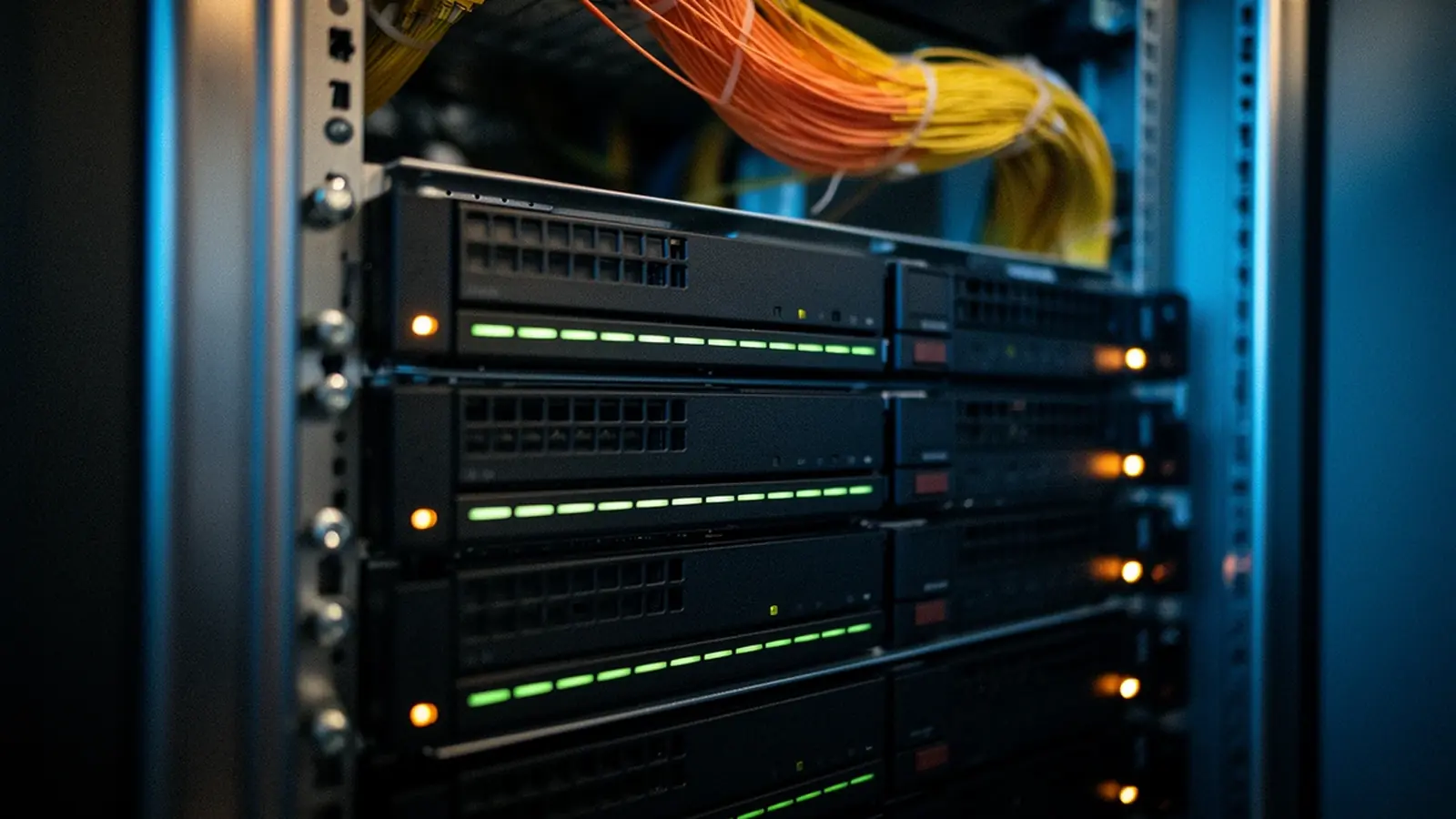
We deploy AI models in your company's environment. We test their usefulness on your tasks, select hardware and safeguards, and agree how the solution will be maintained. The model runs locally; full internet isolation or controlled connections are agreed separately.
Trusted by




































Want to use AI without sending contracts, documentation or customer data to public tools? A local model can process this information on company infrastructure. First, we check whether it can handle the required tasks and whether the costs are justified. A local model does not automatically mean a fully disconnected environment. Updates, integrations and any external services need separate consideration.
The model is one part of the solution. We select the way of working to suit the task and existing systems. These related services cover different needs.
TÜV NORD Polska has certified Virtline's information security management system to PN-EN ISO/IEC 27001:2023-08. The document shows the certificate's scope and validity.
View Virtline's certificateWe start with a trial on agreed tasks. Its results inform the production scope and resources required.
We identify users, document types and expected answers. We select samples without unnecessary confidential information and define the impact of mistakes and where human checks are needed.
We compare answer quality, speed and hardware requirements. We review the selected model's licence and limitations, then discuss whether a local setup justifies deployment and operating costs.
We prepare the agreed environment, accounts, roles and integrations. We check data flows, logs, backups and authentication, including MFA where it forms part of the selected architecture.
We repeat tests with users, document limitations and provide operating instructions. We agree responsibility for updates, incident handling and deciding when to disable a model that is behaving incorrectly.
Practical scope
We check the complete path from request to result. Acceptance covers how the solution works and how it can be supported, not merely whether the model starts.
A comparison of local, hybrid and cloud options, including costs, data flows and limitations. We consider languages, document length, licence terms and the impact of incorrect answers.
The agreed model, interface and integrations. CPU or GPU, memory, storage and network capacity selected for user numbers and workload; permissions, administrative access protection and data-retention rules.
Answers to sample company tasks, response-time and load measurements, and a list of errors found. We also check refusals, document access and situations requiring human approval.
Configuration, backups, monitoring, updates and recovery procedures. We agree usage logging, retention, access reviews and repeat tests after model or data changes. Ongoing support is agreed separately.
With occasional use, a dedicated server may cost more than the benefits justify. A local model may also fall short of the quality needed for a particular language or task. We then compare simpler solutions, a hybrid setup or a suitably configured service. Installing any of these options does not, by itself, guarantee correct answers or compliance. Important decisions remain with the responsible people.
Not every local project requires full isolation. We separately define connections for updates, downloading models and integrations. If data must stay within the company environment, we check every component, not just where the model runs.
We do not assume that before testing. Requirements depend on the model, document size, simultaneous users and expected response time. We assess existing hardware and the cost of upgrades, backups and maintenance.
That depends on the task and model. We compare answers on agreed examples, including the required languages. If results do not meet the criteria, we explain the limitations and propose a different scope or option rather than promise equal quality without testing.
Before handover, we agree who owns the infrastructure, data sources and answer assessment. We can arrange ongoing maintenance, but its scope and response times are defined by the contract. Changes to the model, instructions or documents require new checks.
Describe the model's tasks, user numbers and data types. Tell us whether you already have infrastructure and a target date. We will discuss a trial scope; please do not send confidential documents in your first message.
Discuss local AI