
01
Task and users
We define the problem, current working method and expected result. We check access to data and systems and identify the people responsible for decisions.
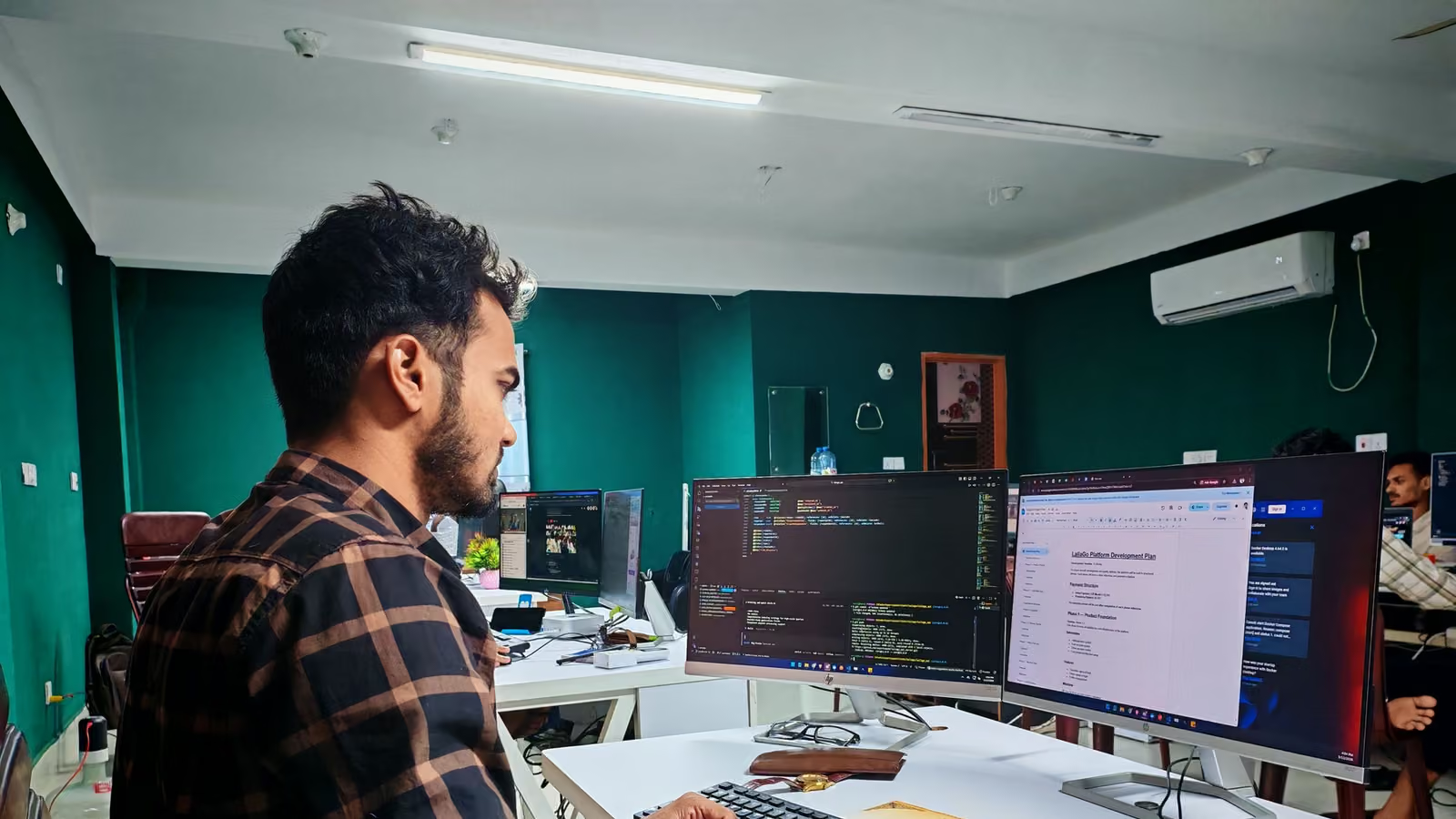
AI software
We build applications that connect AI with employee tasks and company systems. We agree the functions, integrations and approval rules. We start with a limited scope that can be tested in practice.
Trusted by



































Does an employee need to gather data from several systems, prepare a proposal and submit it for approval? A dedicated application can bring these activities together. The AI model is one component alongside forms, permissions, rules and integrations. First, however, we check whether an existing tool or simpler automation is sufficient. Custom development needs concrete requirements to justify it.
We select components to suit the task, data and available systems. The scope of each connection is confirmed before delivery.
TÜV NORD Polska has certified Virtline's information security management system to PN-EN ISO/IEC 27001:2023-08. The certificate shows its scope and validity.
View Virtline's certificateEach stage ends with checks against the agreed scope. We discuss changes to functions, costs or dates before extending the work.
We define the problem, current working method and expected result. We check access to data and systems and identify the people responsible for decisions.
We design the necessary screens, integrations and model-use rules. We agree cost, timing and the scenarios used to assess the application.
We implement the agreed functions and test them with users. We check permissions, incorrect answers, unavailable systems and situations requiring manual handling.
We provide results, instructions and known limitations. Together, we establish whether the first version solves the problem and which further changes are genuinely needed.
Practical scope
We do not assume every feature should be built at once. The first version lets users test the main workflow and decide whether further development is justified.
Users, screens, required data and system connections. We agree acceptance criteria, exceptions, data ownership and points that require a human decision.
The agreed features, roles and integrations. The model can prepare drafts, summaries or classifications; saving and sending results follow the designed rules and permissions.
User scenarios, invalid data, model answers and integration failures. We record known limitations, safe-use conditions and functions excluded from the first version.
User and administrator instructions, configuration details, and rules for updates, monitoring and backups. We agree ongoing support, responsibilities and the order of possible extensions.
A dedicated application does not remove the risk of incorrect model output. We agree when approval is required, what to do with missing data and how to respond to integration failures. If a ready-made chat, form or simple data workflow is sufficient, we propose that option. We do not promise savings or a return on investment without examining actual work and costs.
No. We first assess existing tools and systems. A dedicated application makes sense when specific screens, roles, integrations or approvals cannot be adequately supported by a simpler solution.
Integration depends on available interfaces, permissions, data quality and system terms of use. We check these before confirming the scope. Reading, writing and sending data require separate agreement.
We design output checks, problem flags and handover to an employee. Important actions should not depend solely on an unverified answer. Tests include invalid data, missing information and connection failures.
We agree this before launch, together with documentation and support scope. Maintenance can be provided by Virtline, the client team or through shared responsibilities. Changes to models, data or external systems require repeat tests.
Tell us who will use the application, what they currently do manually and which systems it must work with. Describe data requirements and your target date. Confidential files are not needed initially.
Discuss an AI application