
01
Requirements and plan
We review versions, integrations, workload and licences. We agree the scope, maintenance window, acceptable data loss and recovery time: the RPO and RTO objectives.
Database infrastructure
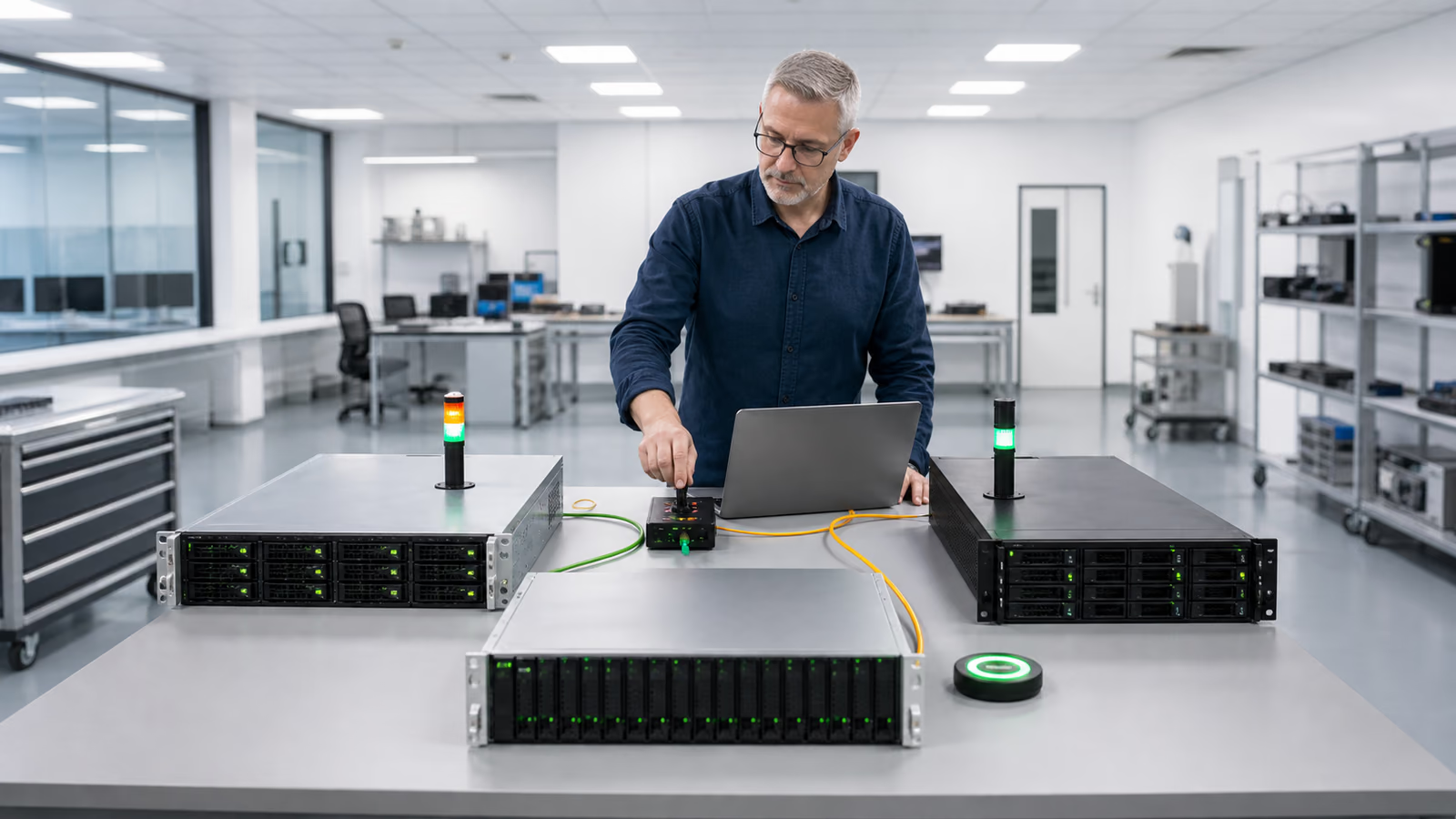
We deploy Microsoft SQL Server, MySQL, MariaDB and PostgreSQL. We configure access, backups and monitoring, migrate agreed data and test the application. Before work starts, we agree the tests, cutover conditions and responsibilities for ongoing support.
Trusted by





























We start with application requirements, engine version, data volume and workload. We select resources, licensing and a recovery approach. Projects can cover a new instance, an upgrade or migration to an on-premises or cloud environment. We assess Redis and MongoDB against the data model and queries; support for other NoSQL databases is confirmed separately.
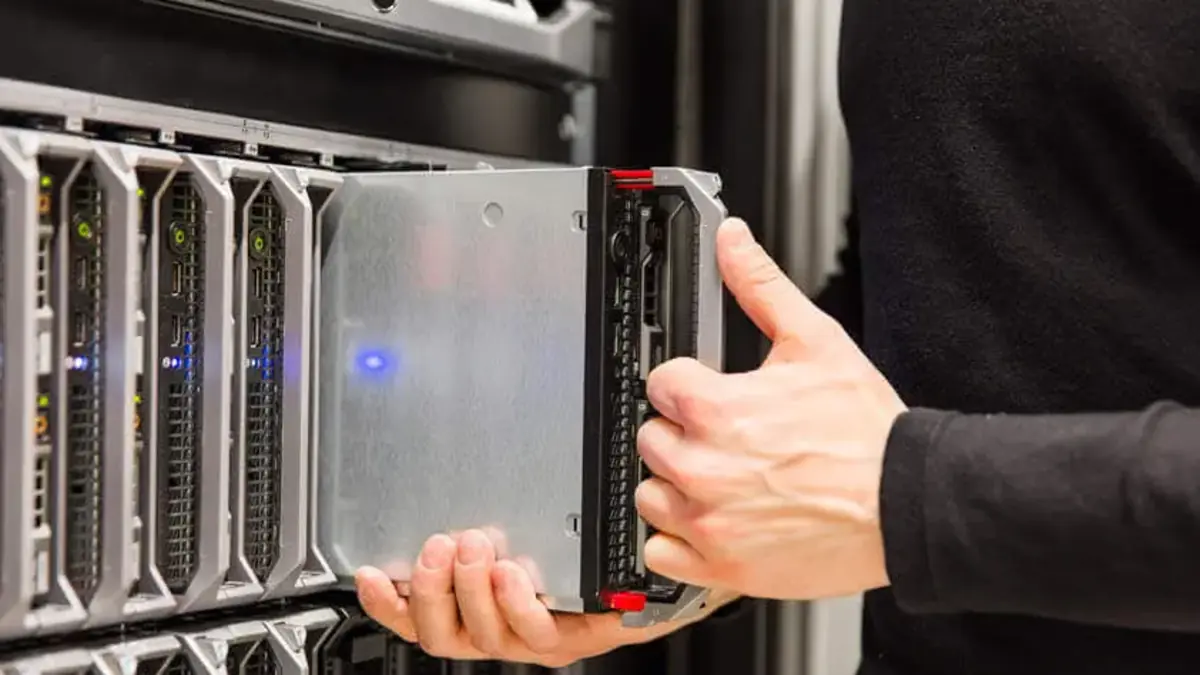
A database needs resources, data protection and support after launch. We agree the scope of this work and responsibilities with your application team.
TÜV NORD Polska has certified Virtline’s information security management system to PN-EN ISO/IEC 27001:2023-08. The published certificate states its scope and validity.
View Virtline’s certificateWe plan the work with the application owner and administrator. A rehearsal on a copy comes before the production change.
We review versions, integrations, workload and licences. We agree the scope, maintenance window, acceptable data loss and recovery time: the RPO and RTO objectives.
We prepare the instance, access, backups and monitoring. We test migration on a copy, check application compatibility and measure the time needed to move the data.
We agree when to stop writes, complete final synchronisation and roll back if needed. After changing connections, we check data and application behaviour; the designated person approves the next step.
We review test results, documentation and exceptions. We agree post-launch observation, reviews and responsibilities for ongoing support.
Practical scope
We assess results against agreed criteria and record limitations and any work still required.
A record of instances, resources, roles and application accounts. We document settings, connections, secure storage of passwords and access keys, and logging of access and changes. Replication is covered where it is included in the project.
A record of migrated data, consistency checks, and tests of reads, writes, reports and integrations. Measurements of critical queries allow comparison before and after the change.
Backup configuration, the result of a restore test and the time it took. If the project includes SQL Server Always On Availability Groups, MySQL Group Replication or PostgreSQL streaming replication, we also test failover and application behaviour.
Documentation for monitoring, updates, incident response and capacity planning. We identify responsible people, open risks and the scope of future reviews.
Keeping the old server does not resolve what happens to data written after cutover. Before the change, we agree when a return is possible, how to stop writes and how to handle new data. We plan backup restoration separately: replication and high availability do not replace backups.
Yes, after checking application, driver and feature compatibility. We select a migration method, rehearse on a copy and measure the time required. Changing the database engine needs a separate assessment; application changes may be necessary.
We consider the engine, change volume, retention period and agreed RPO/RTO objectives. The scope may include full or differential backups, transaction logs, WAL archiving or logical backups. We check that the backups can be used by restoring them.
We can agree ongoing administration, monitoring and optimisation. We review slow queries, locks, indexes and resource use, and assess changes through measurements. Support scope, alert responses and review schedules are agreed separately.
It depends on database size, integrations, version compatibility, availability requirements and the maintenance window. We prepare the schedule after assessment and a migration rehearsal. Project duration and application downtime are agreed separately.
Tell us the application, database engine and version, data volume and permitted maintenance window. Describe the problem or planned change. Do not send passwords or database copies through the form.
Discuss your database project