
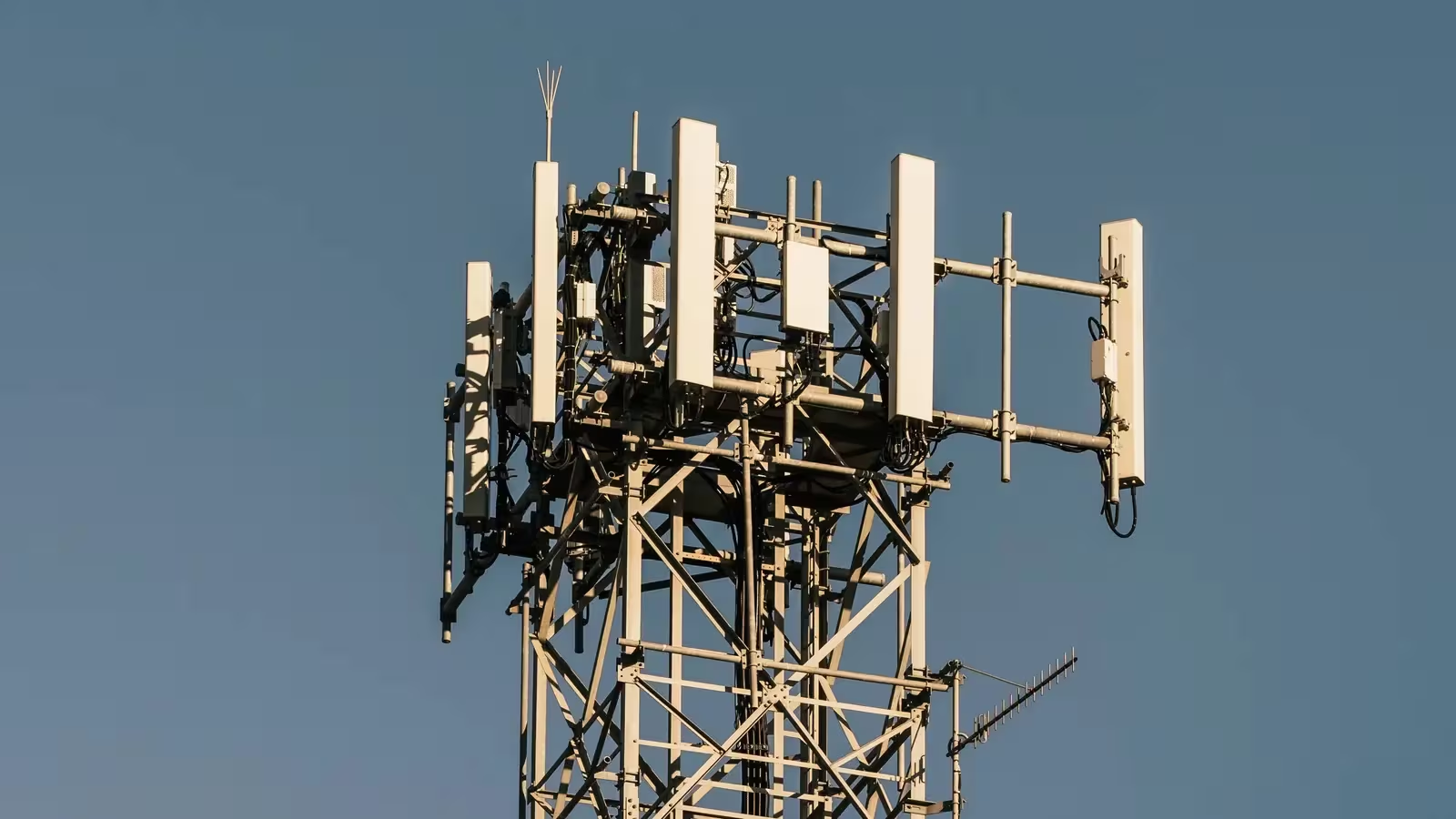
Implementation of 5G technology - how will network development affect business operations?
5G isn't just about faster internet for your phone. In companies, it can support IoT devices, mobile terminals, video surveillance, warehouses, production, field work and backup connections for locations. The more processes that enter a wireless network, the more important segmentation, device identity control, traffic monitoring, supplier responsibilities and disaster recovery become.
Risks that need to be assessed before 5G
The greatest risk occurs when 5G is treated as an ordinary Internet connection, rather than as part of the security architecture. Before implementation, you need to know who is responsible for SIM cards, routers, IoT gateways, updates, remote vendor access and event logs.
- Unknown assets: routers, SIM cards, sensors, cameras and gateways connected outside the IT process.
- No segmentation: IoT, administrative, guest and production traffic all fall into the same zone.
- Provider access without MFA, time limits, session logging and business owner.
- Missing device and service logs, with no agreement on which operator events the customer can access.
- There is no contingency plan for locations where 5G serves as a primary or backup connection.
Related Virtline services and next steps
5G implementation should be analysed together with security architecture, service availability and ongoing IT maintenance.
Cybersecurity
Risk assessment, segmentation, access control and transmission protection in the corporate environment.
SOC, SIEM and SOAR
Monitoring events from networks, devices and systems that use 5G connectivity.
IT outsourcing
Maintaining networks, devices and operational procedures after implementing new communication channels.
Network slicing and business segmentation
Network slicing creates logical networks with specific capabilities and service characteristics using shared or dedicated resources. It is more than dividing radio spectrum. A 5G label alone does not establish slice availability: confirm the architecture, device support and service terms with the provider.
Practical activities before launch
Virtline recommends starting with a short overview of the architecture and only then selecting the operator, devices and service parameters. The 5G decision is then tied to process availability, data security and a realistic maintenance model.
- Map the processes that will use 5G and the minimum requirements for latency, availability and bandwidth.
- Separate traffic zones for IoT, users, administration, guests, monitoring and critical systems.
- Assign device owners and establish firmware updates, configuration backups and hardware replacement procedures.
- Direct logs from routers, firewalls, VPNs and critical services to IT or SOC/SIEM monitoring.
- Run an agreed operator-loss, failover and configuration-recovery test with a fallback plan. Check whether primary and backup links share critical dependencies.
The value of the 5G network in business operations
5G can support mobility, larger device populations and applications that need low latency. Actual performance depends on coverage, load, devices, the operator network and the path to the application. Measure it at the intended locations and compare it with process requirements before choosing a service.
- 5G can support warehouse terminals, IoT sensors, telemetry devices, vehicles, cameras and mobile workers.
- Business value only comes when connectivity is combined with IT monitoring, access policies, contingency plan and service owner documentation.
- For critical processes, you need to check the operator's SLA, coverage, redundancy, delays, transmission costs and the possibility of backup operation.
- If a 5G network is to handle sensitive data, the design should include encryption, segmentation, logs, firewall and compliance auditing.
Benefits of 5G and network slicing
An available slice can support agreed application requirements, but traffic priority does not automatically guarantee throughput or isolation. Specify service parameters, shared dependencies, measurement and provider responsibilities. Firewall rules, identity controls and application segmentation remain necessary.
Network audit
Assessment of segmentation, traffic, devices, firewall rules and risks before using 5G in company processes.
IT monitoring
Visibility of availability, delays, failures and anomalies for services using the new communication channel.
VPN implementation
Controlled remote access for users, suppliers and locations using mobile connectivity.
Edge computing and data protection
Edge computing can reduce latency by processing data closer to its source. Measure the result and manage local nodes through updates, encryption, configuration backups, physical protection and recovery procedures.
- Identify which data is processed at the edge and which data must return to central systems.
- Encrypt local storage, transmission channels and configuration backups for edge devices.
- Define update, replacement and incident procedures for routers, gateways, cameras and sensors outside the server room.
- Route security events from edge devices to monitoring or SOC/SIEM instead of relying on manual inspection.
- Test loss of connectivity, local device failure and recovery of configuration before treating 5G as business-critical.
Evidence and compliance for management
If 5G supports a critical process, management should not only have a description of the benefits but also audit evidence. A useful package includes an asset map, segmentation rules, supplier list, availability test results, configuration backup confirmation and a compliance remediation plan. Such material helps in ISO 27001 audits, customer interviews and analysis of NIS2 requirements. The application of NIS2/KSC and DORA depends on the organisation’s sector, status and activities. Technical records can support assessment, but do not by themselves confirm compliance or certification.
What should the company get after the 5G review?
The 5G review should end with decision-making material, not a general opinion about the technology. For IT you need rules, configurations and monitoring; for business, a map of the impact on processes, availability and cost of risk. This makes it easier to decide whether 5G is to be a backup link, a network for IoT, a mobile work channel or an element of a critical process.
- Map of locations, devices, SIM cards, routers, IoT gateways and systems using 5G transmission.
- Recommendations for traffic segmentation, firewall rules, VPN, provider access and event logging.
- List of requirements for the operator: SLA, coverage, redundancy, failure reporting method and delay parameters.
- Emergency scenarios for loss of connectivity, switching to backup and restoring device configuration.
- An improvement plan covering the trial deployment, monitoring, coverage and availability tests, and expansion criteria.
5G for sales, logistics and field work
Companies using field sales, mobile points, customer applications, digital signage, monitoring the availability of services or logistics in close to real time can treat 5G as an element of process optimisation. However, they should not implement it outside of IT. Each new location, SIM card, router, IoT gateway and mobile application increases the attack surface and the number of elements that require updating.
5G, edge and cloud in one architecture
Combining 5G with edge, automation and cloud services requires clear responsibilities. Define where data is processed, who updates devices, which logs are available and how the process operates after connectivity loss. Base the decision on requirements and tests of the actual service.
When does 5G increase risk?
5G devices connected outside IT processes, vendor access without MFA and missing inventory or monitoring create risk. Evidence requirements depend on contracts, voluntarily adopted standards such as ISO 27001 and the laws applicable to the organisation, including NIS2 where relevant.
Risk review
Map 5G devices, supplier access, critical processes and regulatory exposure before production rollout.
Configuration check
Verify logs, segmentation rules, router configuration, VPN access and alert routing.
Implementation priority
Decide whether the first step is a backup link, IoT segment, edge pilot or monitoring cleanup.
Related articles
5G touches on networks, cloud, security, backup and device management. Therefore, the decision to implement is worth combining with a review of the architecture and IT maintenance.
Cloud services in Polish companies
How the cloud, data localisation and IT responsibility combine with mobility and new access channels.
The data security triad
How to assess the impact of 5G on the confidentiality, integrity and availability of company systems.
Backup and data recovery
Why new connectivity channels require a configuration, data and service recovery plan.







































